Every few years, the same conversation happens in procurement meetings across India. Cloud costs have gone sideways, the CFO wants infrastructure on-premise, and the default call goes to the same two or three brand names that have always been on the approved vendor list.
It makes sense, on the surface. These are established names. They have account managers, glossy brochures, and a warranty number that picks up. For a procurement manager who needs sign-off from three people and zero surprises, familiar feels safe.
But familiar has a price. And it’s not always visible until after the purchase order is signed.
The brochure is doing a lot of heavy lifting
The case for big OEM servers is simple: reliable hardware, recognized name, and support that’s someone else’s problem. That’s fair. Nobody gets fired for buying from a brand their CFO has heard of.
What the brochure skips past is everything that comes attached to the logo.

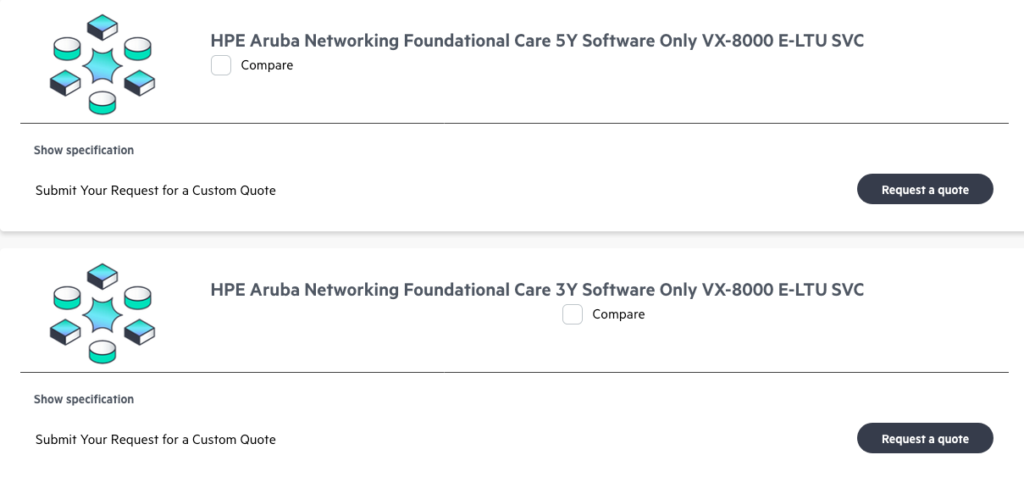
Firmware shouldn’t be a subscription
Some of the most widely deployed enterprise server platforms put routine firmware updates behind a paid support contract. Not emergency security patches – routine updates that used to come free with the hardware. Let your contract lapse and you’re stuck on whatever version you last paid to access.
The “certified parts” game
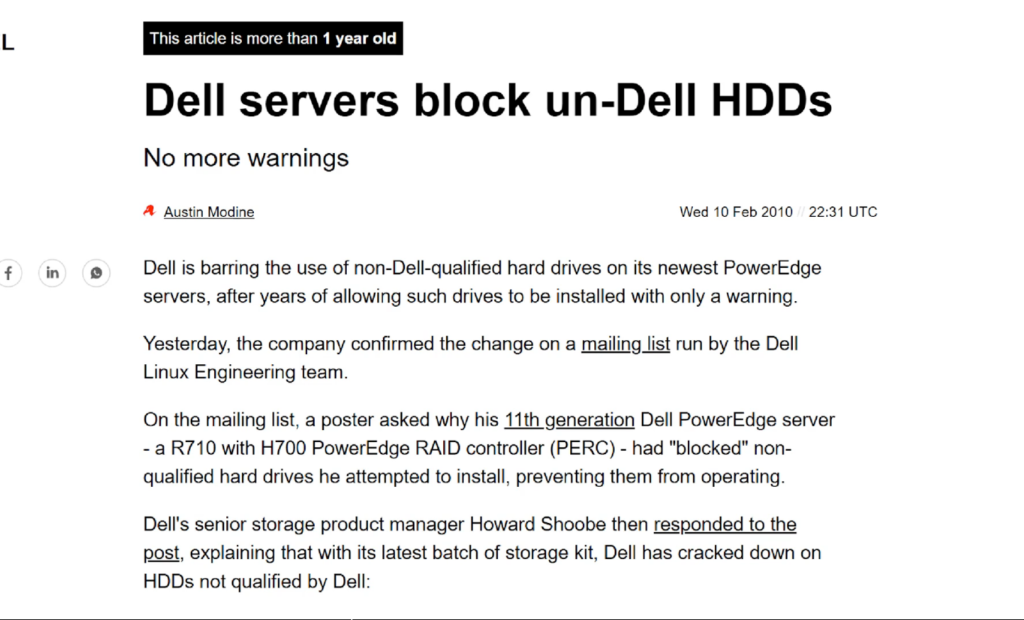
OEM ecosystems run on certified components – storage drives, memory, network cards. Functionally identical to standard enterprise hardware, but marked up heavily because they carry the OEM’s badge. BIOS restrictions enforce this at the firmware level. The server physically refuses to recognize a non-certified part. You’re not locked in because the hardware is better. You’re locked in because the software says so.
The warranty that becomes a trap
Initial warranty pricing is high but you can justify it. Renewal pricing, once that first period expires, is a different story. It gets steep enough that some organizations run a genuine cost comparison between renewing and just buying a new server entirely. A warranty you can’t afford to renew is not a warranty – it’s a subscription to the idea of support.

What “custom” actually means – and doesn’t mean
Custom server builds have a reputation problem. People hear “custom” and think risky – something put together without institutional backing, where support disappears the moment something goes wrong.
That’s the wrong picture.
Standard parts, no strings attached
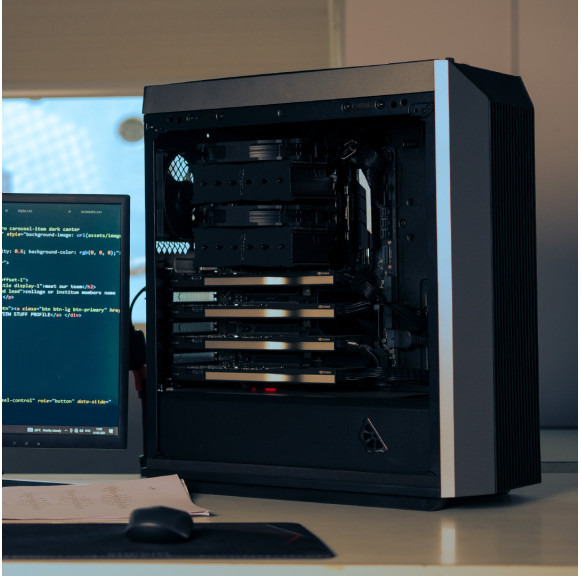
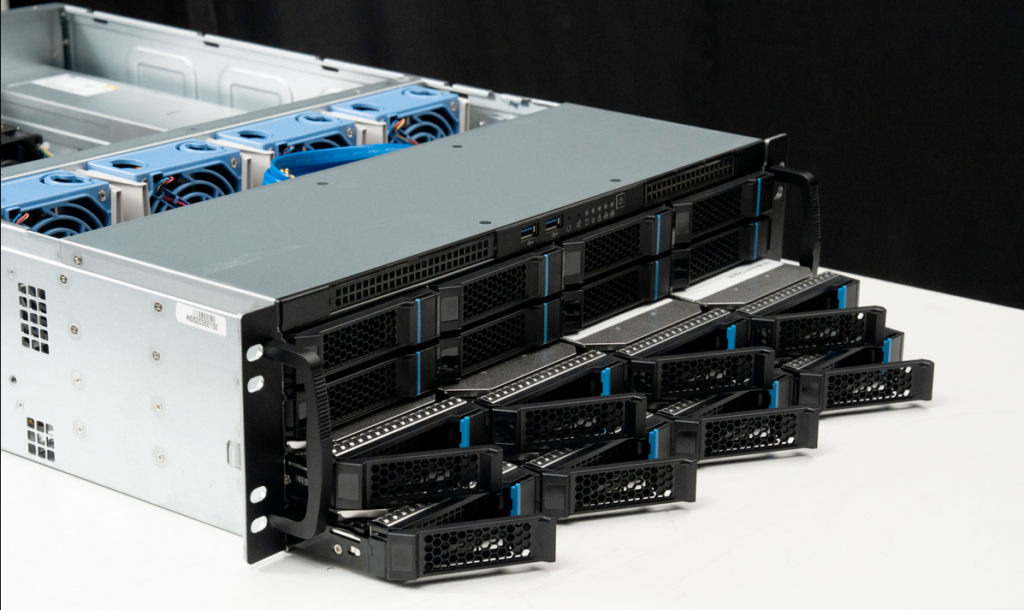
A purpose-built server uses the same tier-1 components that supply OEM servers – same manufacturers, same reliability. The difference is there are no proprietary restrictions layered on top. Because nothing is locked down, replacement parts are available on the open market. Lead times are days, not weeks waiting on an overseas warehouse to ship a specific part that only runs in one ecosystem.
The hardware fits the job, not the catalog
The real advantage is that the build is designed around your workflow, not around a product line built to serve a thousand different customers at once.
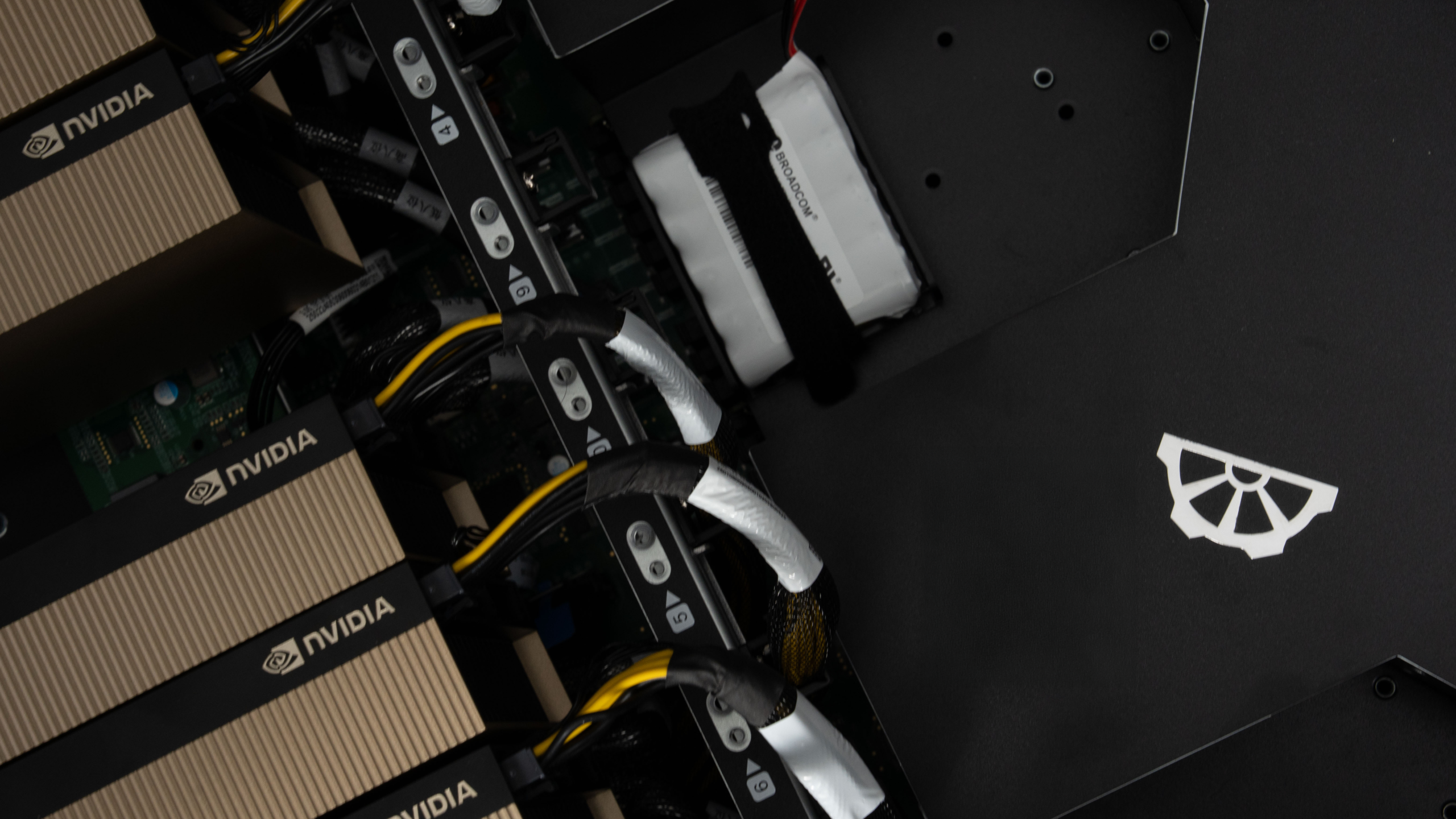
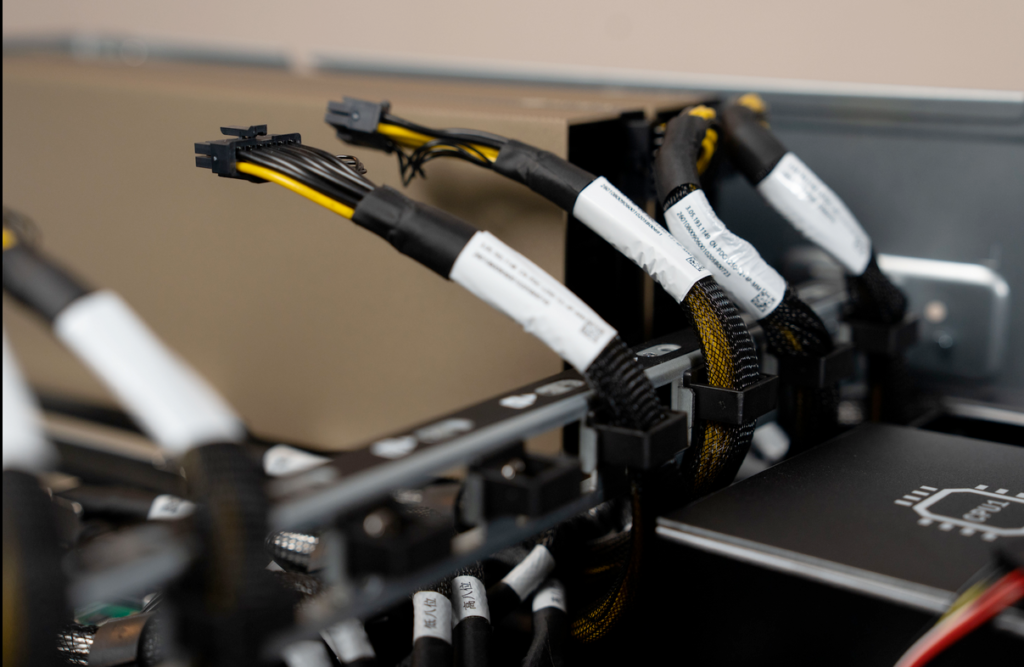
We recently built a server for a client running real-time AI video analysis across an international manufacturing facility. Two Nvidia L40 GPUs, 48GB each. But the chassis was specified with extra power headroom and cables already routed for future GPU expansion. When their AI workloads grow heavier – and they will – they slot in more GPUs. No new server needed. Try asking an OEM for “pre-routed cables for future third-party GPUs.”
Same result, within budget
Another client needed centralized storage for a drone surveillance network – 28TB of high-speed NVMe storage, stable network card, hard cap at ₹10 lakh. OEM certified storage at that capacity would have either missed the performance target or blown the budget. Standard enterprise components hit both. They saved lakhs and got better specs.
These aren’t edge cases. This is what happens when the hardware is built around an actual requirement instead of the nearest available SKU
The support question.
This is usually the point where procurement managers pause. Walking away from a big OEM name feels like walking away from safety. So here’s the honest version.
3 years, at your door, across 220+ cities
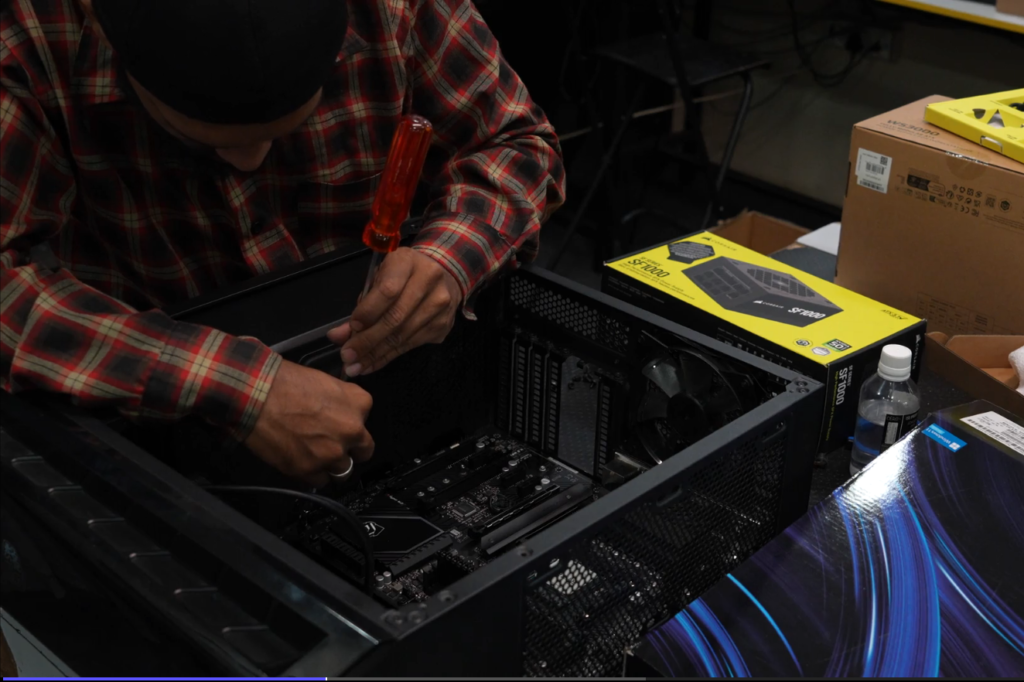
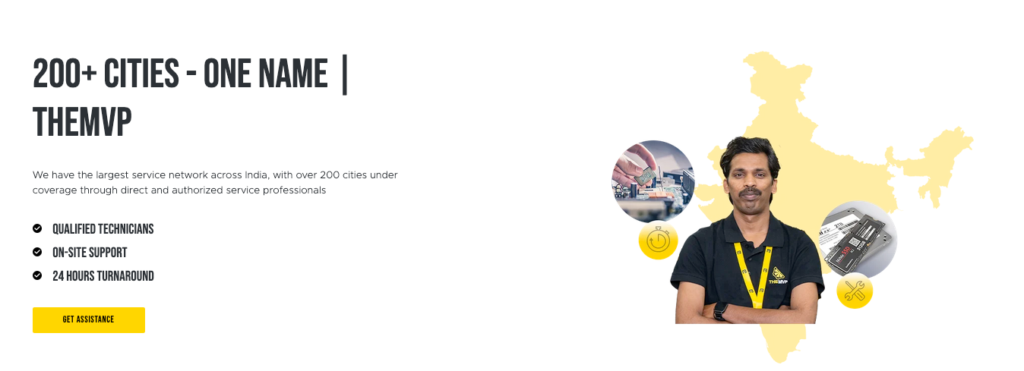
Our custom servers come with a 3-year doorstep warranty nationwide. Not “we’ll try to get someone out there” – actual service in 220+ cities, with authorized partners covering the rest. For enterprise clients, we keep loaner spares on hand so your team’s downtime is hours, not the week you’d spend in an OEM service queue.
Why we can actually afford to do this
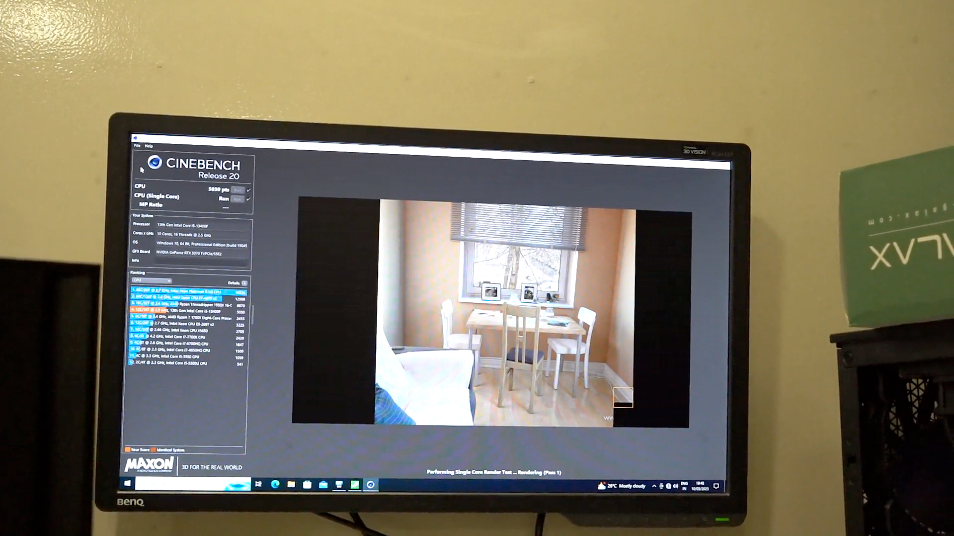
Here’s the number that makes the warranty model work: only 1-3% of our builds ever need an on-site visit. That’s because QA catches problems before the machine ships. A low defect rate is what makes doorstep support economically viable instead of a money pit. The warranty works because the hardware is right before it leaves us.
The one question worth asking before the next PO
How much of what you’re paying an OEM is for the hardware and support – and how much is for the badge on the invoice?
If a significant part is the badge, that’s a choice you can make with your eyes open. Familiarity has value.
But if your workflow has requirements a standard OEM SKU can’t cleanly address – or if the five-year cost looks different once you factor in certified-parts markups and support renewals – a purpose-built option is worth at least one conversation.
We’ve built infrastructure for research institutions, production studios, manufacturing operations, and AI teams across India. We ship nationwide. If you want to know what a purpose-built server actually looks like for your use case, drop us a line or reach us on WhatsApp at +91 8977917186.