RAM prices are high right now and most people are sitting on the fence about whether to build a PC. Here is the short answer: build it now.
Analysts expect the RAM price situation to continue through 2028, with things only easing up around 2029.The prices today are the lowest they will be for the next two -three years, waiting just costs you more money.
AMD’s AM4 stuck around for nearly a decade, with new processors dropping as recently as a few months ago. AM5 is kind of following the same pattern and if you build on it now, you can drop in a new processor years later without replacing the motherboard.
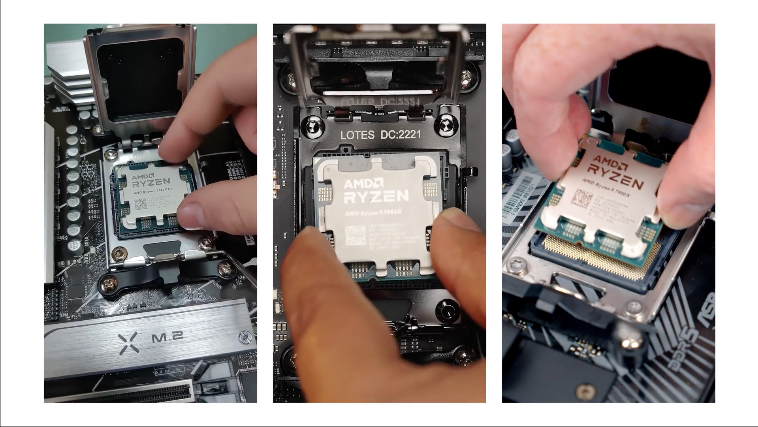
And even if you want to game for a few years down the line without upgrading, the key is picking the right parts. A CPU that handles gaming workloads along with a GPU with enough VRAM to stay relevant through the next console generation, and a platform with a long upgrade path.
The Build
Processor: Ryzen 7 9850X 3D
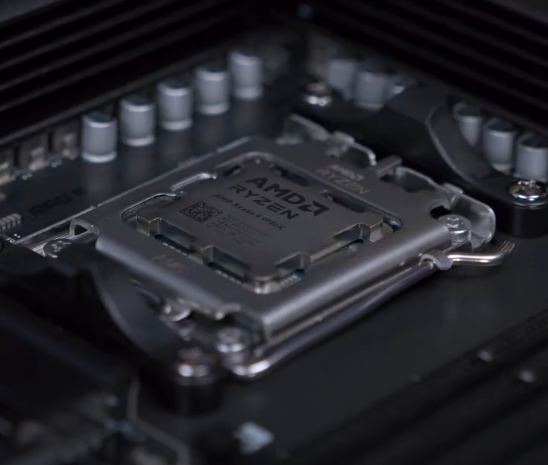
Currently the strongest gaming CPU on the market. 8 cores, 16 threads, 5.6 GHz clock speeds, and 96MB of L3 cache. The cache is what drives the high framerates in games. It also handles productivity tasks without issues.
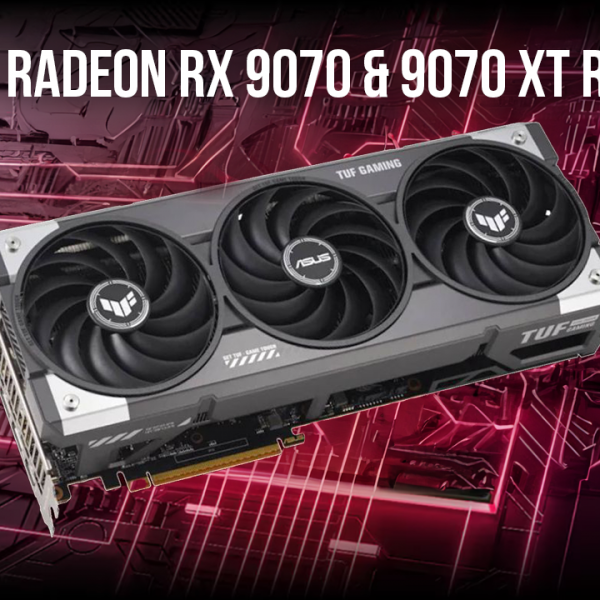
GPU: AMD Radeon RX 9070 XT
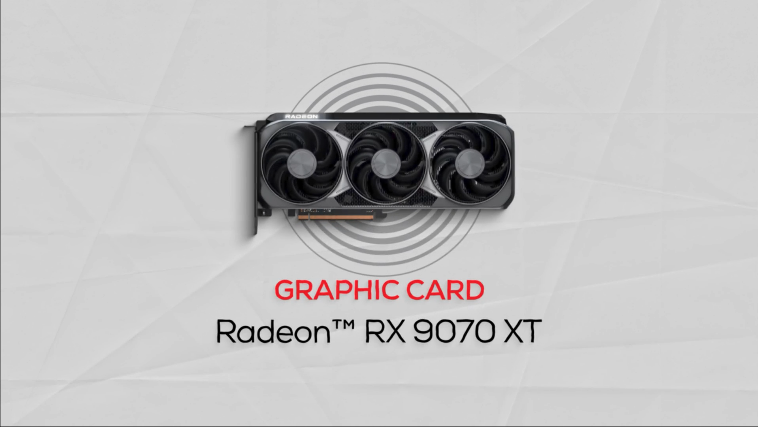
16GB of VRAM. Runs games at 4K on high settings. At its price point, it delivers the best frames per rupee of anything available right now.
RAM: 32GB RAM
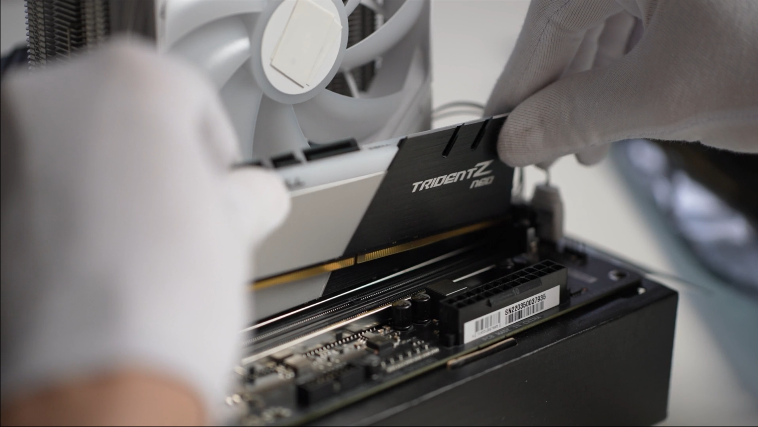
Although you could go with 16GB RAM which will play most games a handful of games do take advantage and with constant windows updates eating up more ram its better to be safe than sorry.
Motherboard: B850 motherboard
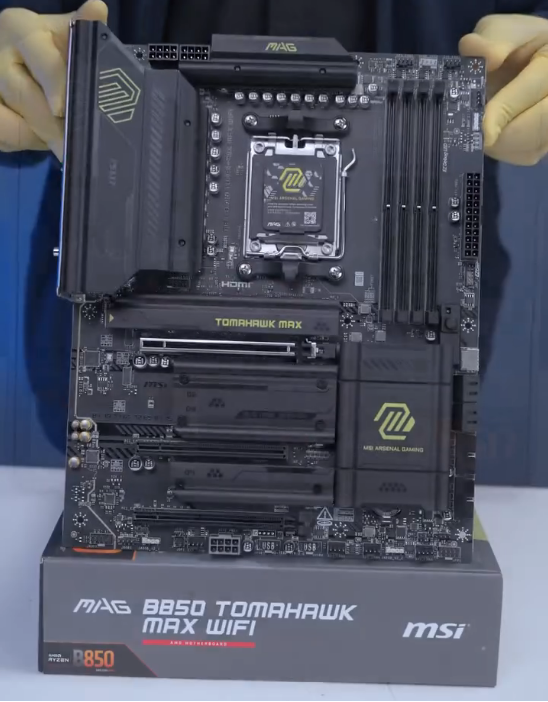
More than enough to sustain high clockspeeds over long periods of time and enough NVME slots for future expansions.
Benchmarks
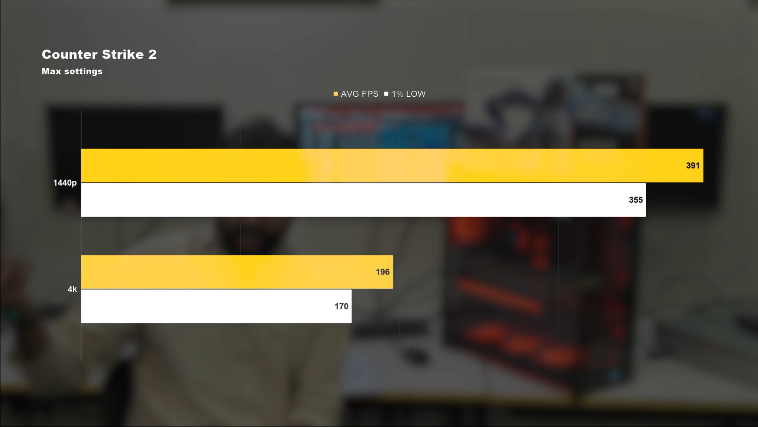
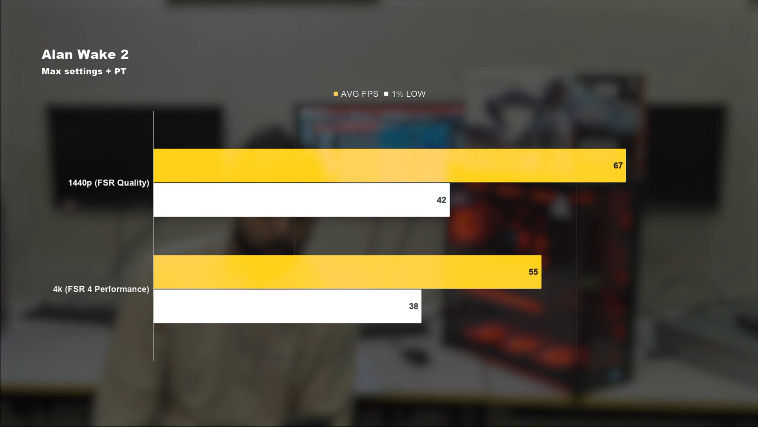
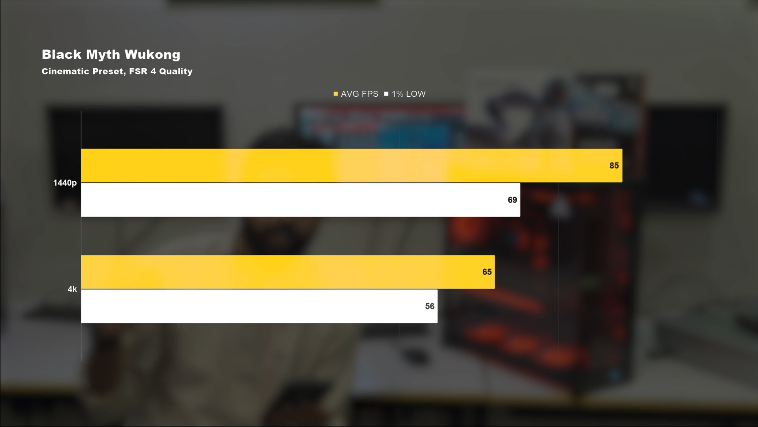
4K gaming at this price was not realistic before. It is now, and FSR Redstone is a big reason why.
What FSR Redstone Actually Does
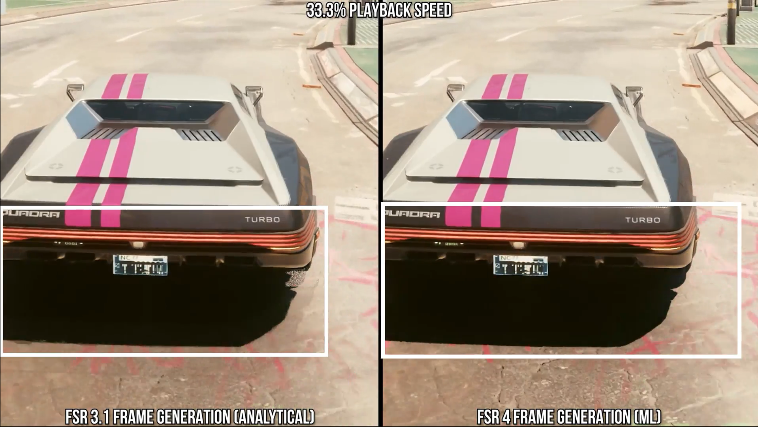
Previous FSR versions worked by reading motion vectors which is essentially data stored inside 3D objects and textures that track movement. The problem with that was elements like shadows and particles do not carry any motion vector data whatsoever, which caused flickering and visual artifacts.
FSR Redstone adds hardware-based machine learning to the process and this time around, instead of only reading motion vectors, it uses AI to predict missing visual information and fill in the gaps.This doubles framerates through frame generation without the artifacts that plagued older versions.
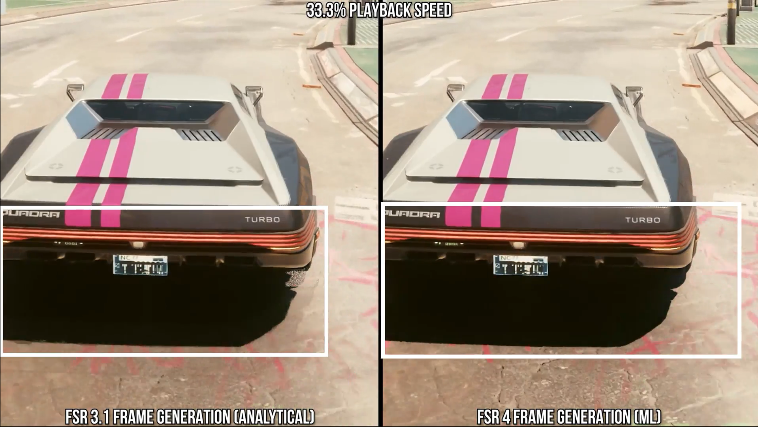
It also uses an updated CNN-based upscaling model. The result is that 4K with good image quality and high framerates is now achievable on this hardware at this price.
Verdict
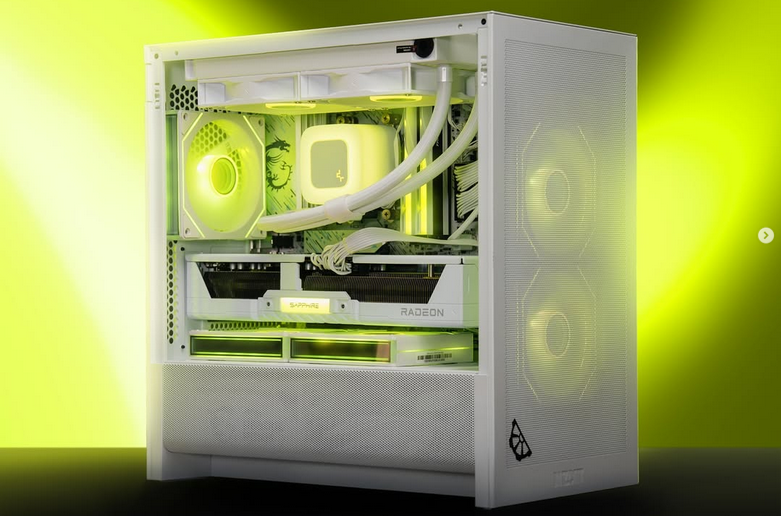
The build runs every current game at 1440p with headroom to spare, and 4K is now a solid option to consider rather than being a compromise plus the AM5 platform gives you an upgrade path with the GPU having enough VRAM to stay relevant for years.