
Every year, the world’s leading researchers, engineers, and artists gather at SIGGRAPH to reveal what computer graphics will be capable of in the years to come.
Most people have probably never heard of it, but if you’ve ever looked at a modern video game or film visual effect and wondered, “How does this look so real?”, there is a very good chance the answer originated at SIGGRAPH.
A Quick History: Some of biggest innovations from SIGGRAPH
Before diving into this year’s breakthroughs, it’s worth looking at how deeply this single conference has shaped our digital world:
- 1986 – The Rendering Equation: James Kajiya introduced the fundamental math that allowed computers to simulate how light bounces in the real world. Today, that single breakthrough is the reason we have realistic global illumination in modern games and CGI.
- 1998 – Subdivision Surfaces: Pixar introduced a way for artists to build a rough 3D shape and let software automatically turn it into a clean, smooth, detailed character. What once took thousands of hours of painstaking manual work became an industry standard.
Fast forward to SIGGRAPH 2026, and the innovations on display are pushing those foundations even further.
Next-Gen Rendering: Smarter Light, AI Materials, and Yarn-Level Physics
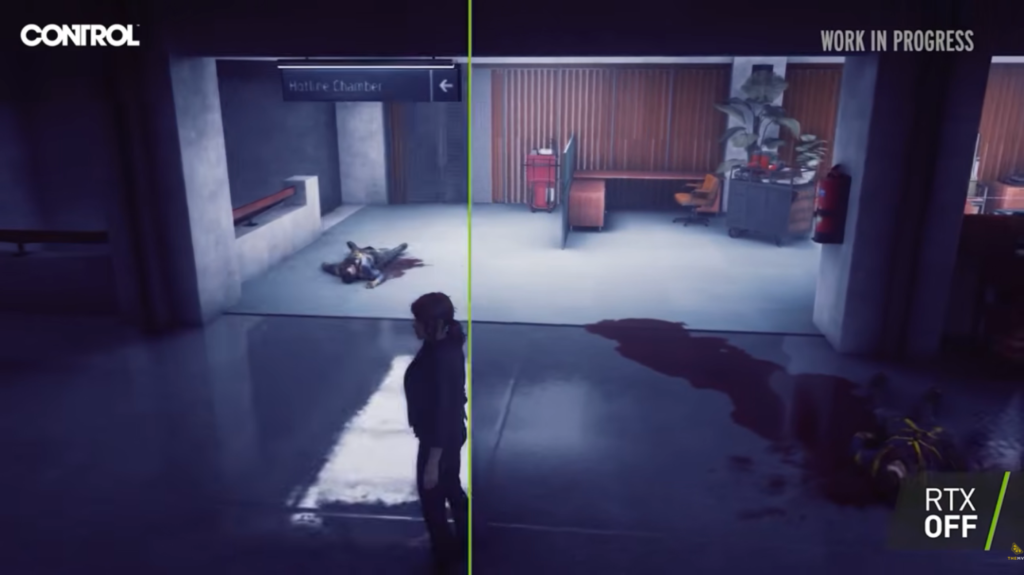
This year brought significant leaps in technologies developers already rely on, making photorealism sharper, lighter, and far more accurate.
Smarter Path Tracing with ReSTIR
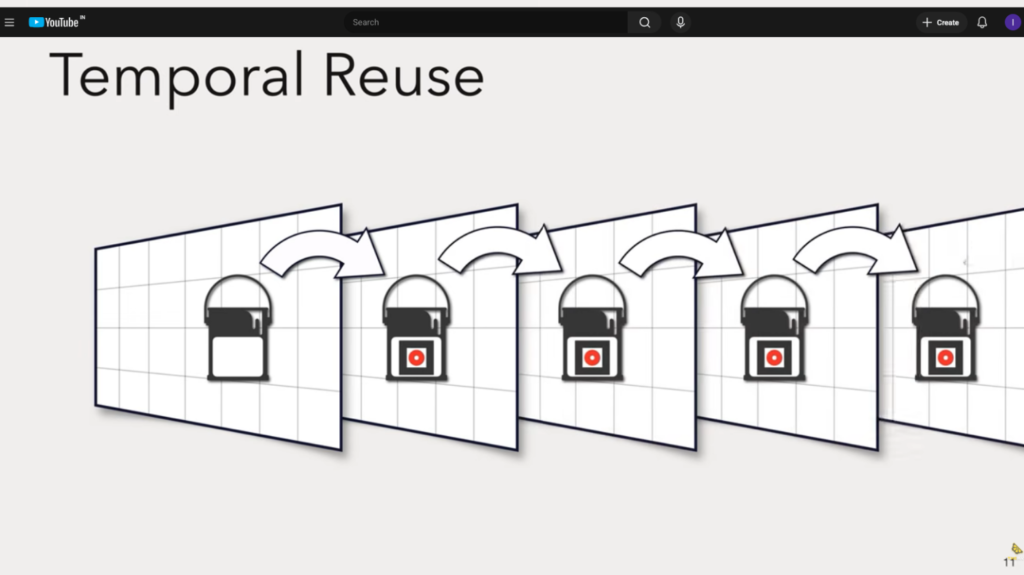
Path tracing produces breathtaking lighting, but GPUs can only calculate a limited number of light rays per frame. The result? A noisy, grainy image. A new technique called ReSTIR solves this by taking a smarter approach: instead of recalculating every light path from scratch for every single pixel, it keeps track of useful light paths and reuses them across nearby pixels and adjacent frames. The GPU does significantly less repetitive work, delivering a vastly cleaner image in real time.
NVIDIA DLSS 5

Previous iterations of DLSS focused primarily on upscaling resolution, generating extra frames, and denoising ray-traced scenes. DLSS 5 takes a massive leap forward by using AI to directly enhance lighting and material properties on the fly. Let us know if you want an in-depth explanation of DLSS 5.
Yarn-Level Cloth Simulation

We’ve all seen digital clothing clip through a character’s body or a cape get awkwardly stuck inside an arm mesh. That happens because games usually treat clothing as a thin, solid sheet.
Researchers from the University of Utah presented a system that simulates clothing at the yarn level which models thousands of individual loops pulling, stretching, and rubbing against each other. Instead of faking a knit pattern with a surface texture, digital garments now move, stretch, and drape like real fabric.
NVIDIA MotionBricks: Ending Pre-Baked Animations
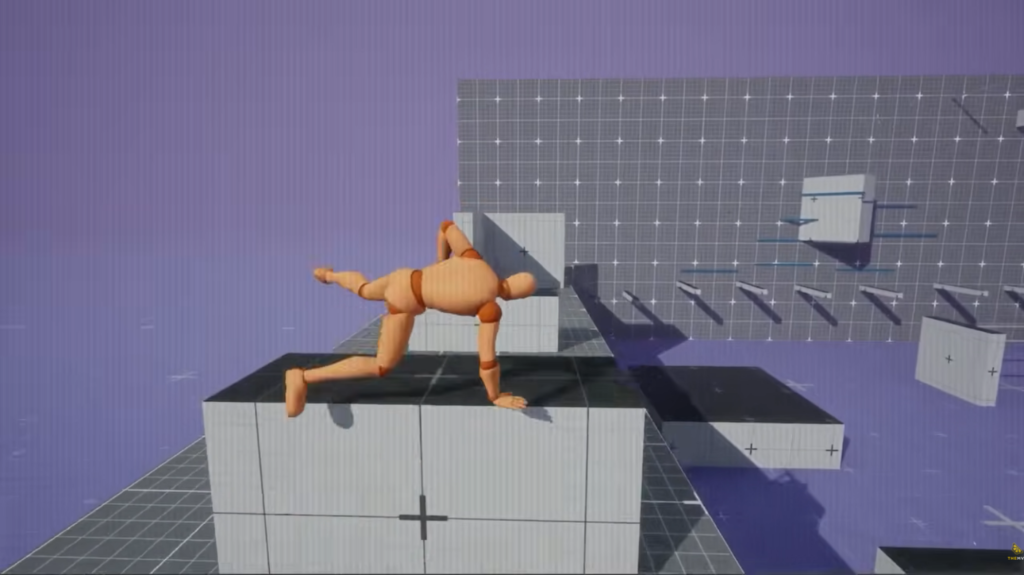
Traditionally, video game characters rely on thousands of pre-recorded motion captures – walking, running, jumping, or picking up items. The game engine tries its best to blend between these clips, often leading to sliding feet or unnatural reactions.
NVIDIA MotionBricks changes the model entirely:
- Trained on over 350,000 motion clips, it generates movement procedurally when needed.
- Characters react dynamically to player inputs, uneven terrain, and nearby obstacles in real time.
- The Robotics Crossover: NVIDIA demonstrated the exact same MotionBricks model driving both a digital game character and a physical Unitree G1 humanoid robot. The technology blurring the line in video games is actively helping real-world robots navigate physical spaces.
NVIDIA Cosmos Dreams: Real-Time World Generation
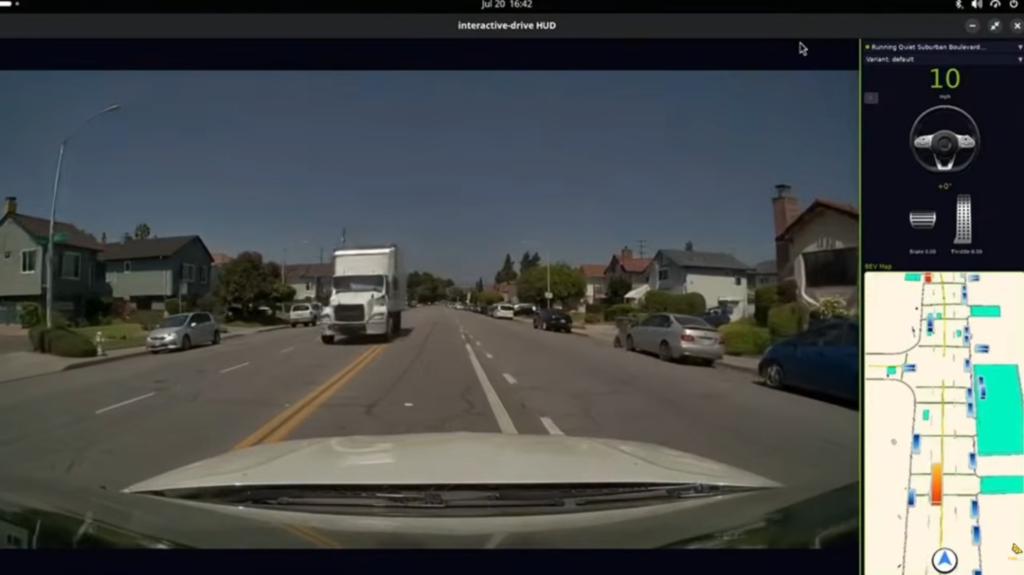
Cosmos Dreams can generate complete, responsive virtual environments starting from a single image frame. In one live demonstration, a driving simulator continually built out the road ahead, surrounding environments, and unexpected road hazards on the fly which was all powered by a single RTX PRO 6000 GPU.
Why this matters beyond gaming: Autonomous vehicles and industrial robots cannot wait to encounter every dangerous scenario in the real world before learning how to handle them. Cosmos Dreams allows AI systems to be trained inside infinitely variable, real-time generated simulations.
Hardware Update: Bolt Graphics Challenges the Status Quo
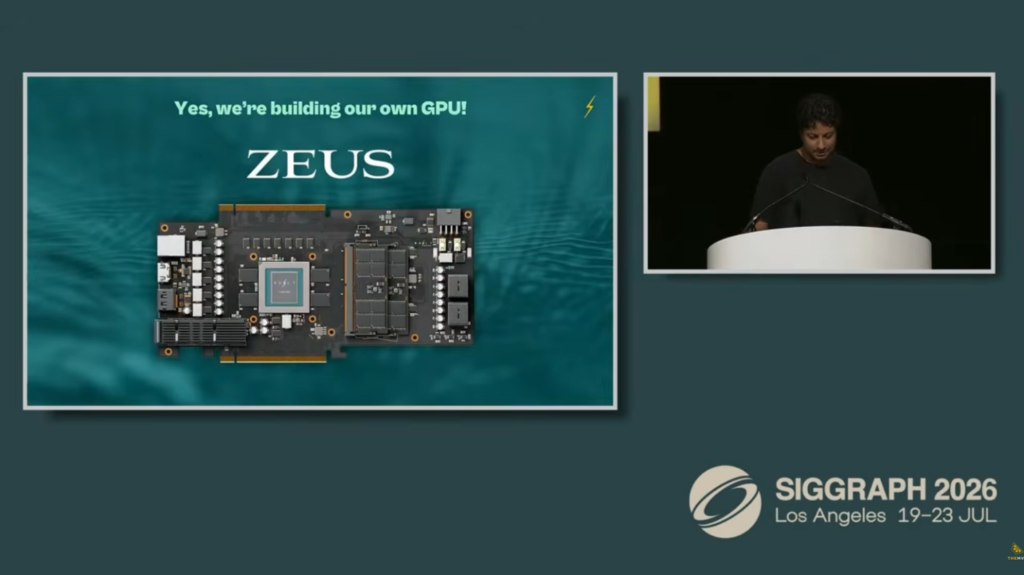
For decades, GPUs have been built around rasterisation, with ray tracing and path tracing patched on top as secondary hardware blocks.
But Bolt Graphic, a semiconductor startup unveiled Zeus, a GPU architecture designed from the ground up specifically to calculate realistic light paths natively. So it begs the question to be asked: Is it time to completely rebuild graphics hardware for a path-traced future?

When games start rendering 350,000 real-time motion paths and simulating individual yarn loops in your character’s sweater, your trusty old GPU might just not.
Whether you’re a developer working with next-gen rendering engines or a gamer who just wants to run a video game with path tracing, you’re going to need a machine built for it.
That’s where we come in. At theMVP, we build custom heavy-duty workstations and high-performance gaming rigs designed to crush demanding