In Indian e-commerce, one question never changes: “Cash on delivery available hai na?” From a customer’s side, COD feels perfect. You pay after the product arrives. No upfront stress. No risk. Full comfort. That thinking is completely natural.
But when it comes to custom PCs, that same comfort quietly creates a serious imbalance. At TheMVP, we learned this very early in our journey.
When We First Followed the Market

In the beginning, we did exactly what everyone else was doing. We listed our custom systems on large marketplaces like Flipkart and Amazon and enabled cash on delivery.
And then we faced our first COD cancellation.
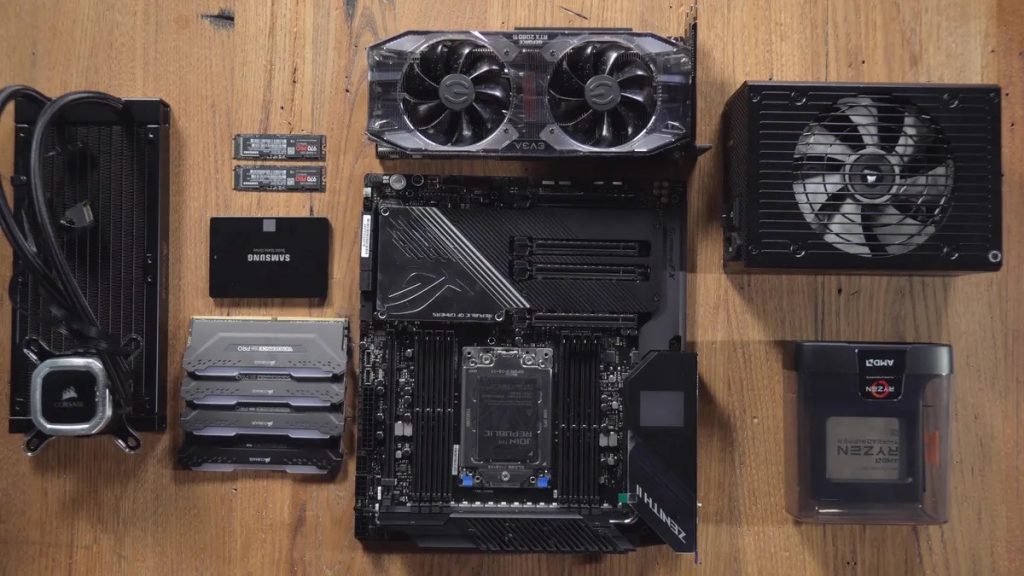
To understand why that moment mattered, you have to understand what a “custom PC” actually means. Every order is different. One customer wants a very specific cabinet. Another insists on a particular GPU brand. Someone else needs rare RAM or a special cooling setup.
In most cases, that exact combination isn’t sitting in ready stock. So parts are sourced specifically for that single build. The system is assembled, tested carefully, packed securely, and shipped out.
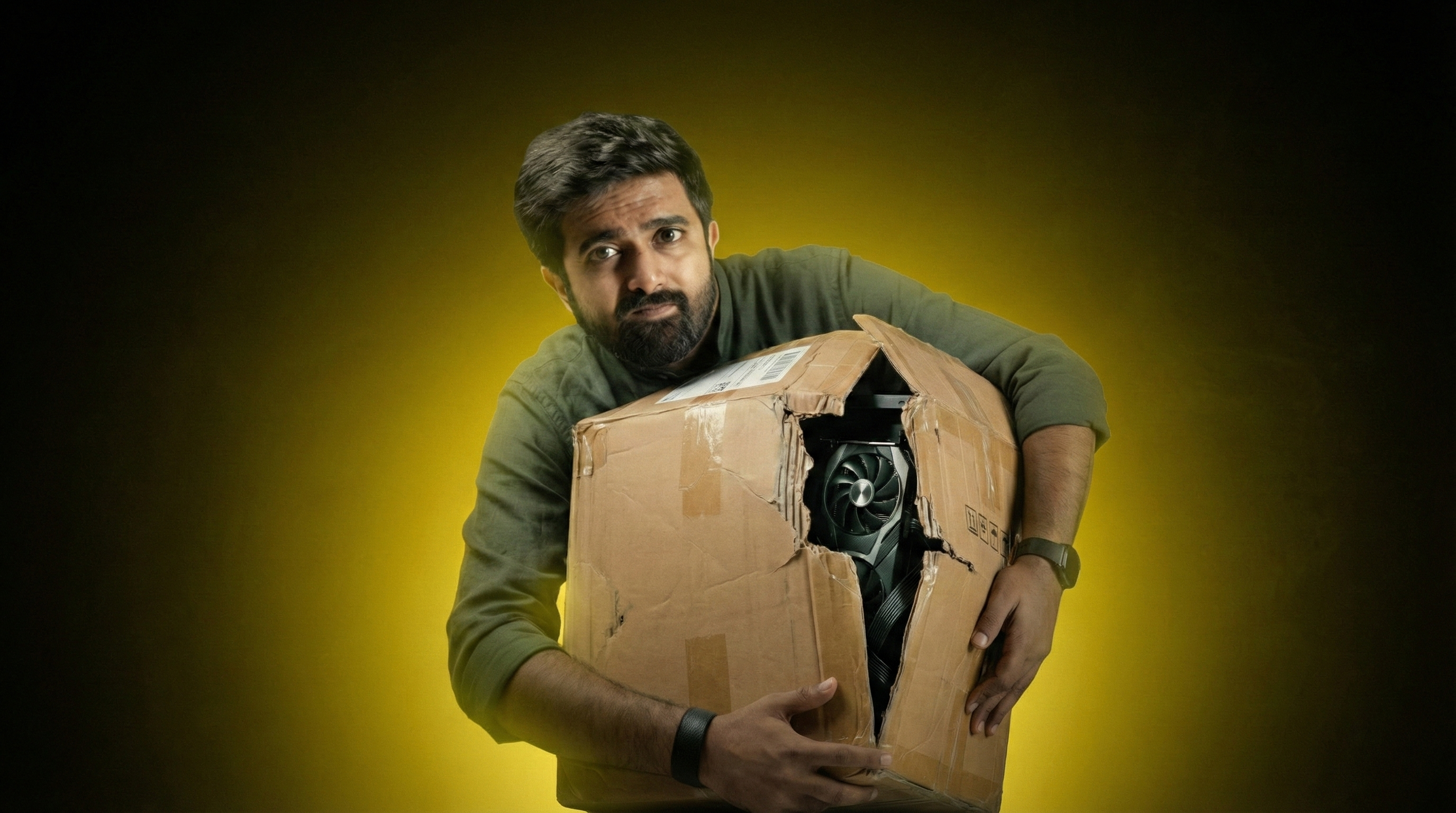
In our case, after everything was done, the customer cancelled the order at the time of delivery.
What Actually Happens After a COD Rejection
When a cash-on-delivery custom PC is rejected at the doorstep, the impact is immediate and very real.
Shipping doesn’t disappear just because the customer changed their mind. The system has already travelled one way and now has to return.
All the labour that went into building and testing the machine doesn’t rewind. Hours of careful work have already happened.
Once components are opened, their value changes instantly. Even if they are technically unused, they are no longer in untouched retail condition.
That single cancelled order taught us more than months of planning ever could. From that day onward, COD was permanently closed for custom systems.
Why COD Works for Some Products but Fails for Custom PCs

Cash on delivery works beautifully for items that are mass produced and easily resold. If a T-shirt or a phone case is returned, it simply goes back into general inventory.
Custom PCs don’t work that way. Every system is tied to one user’s needs, one specific workflow, one exact balance of performance and budget. Once that buyer walks away, the system loses its natural place in the market.
Customisation, which is the biggest strength of a hand-built PC, becomes the biggest risk under COD.
The Physical Reality of High-Value COD
There’s another layer most people don’t think about. High-end PCs are not small-ticket items, and courier partners operate under strict cash collection limits for safety and compliance.
Large amounts of physical cash at the doorstep introduce theft risk, liability issues, insurance complications, and genuine safety concerns for delivery staff. Modern logistics is steadily moving away from this model for a reason. Digital payments exist precisely to remove these dangers.
The Core Problem with COD in Custom Manufacturing
COD feels safe to the buyer because the buyer carries zero exposure. All the exposure sits with the builder.
In everyday retail, this imbalance can be absorbed. In custom components, it quietly damages stability. Once parts are procured and opened, flexibility disappears. The entire weight of that decision remains on the system integrator.
COD isn’t really a trust system. It’s a risk-transfer system where all the downside flows in one direction.
How TheMVP Handles Payments Today
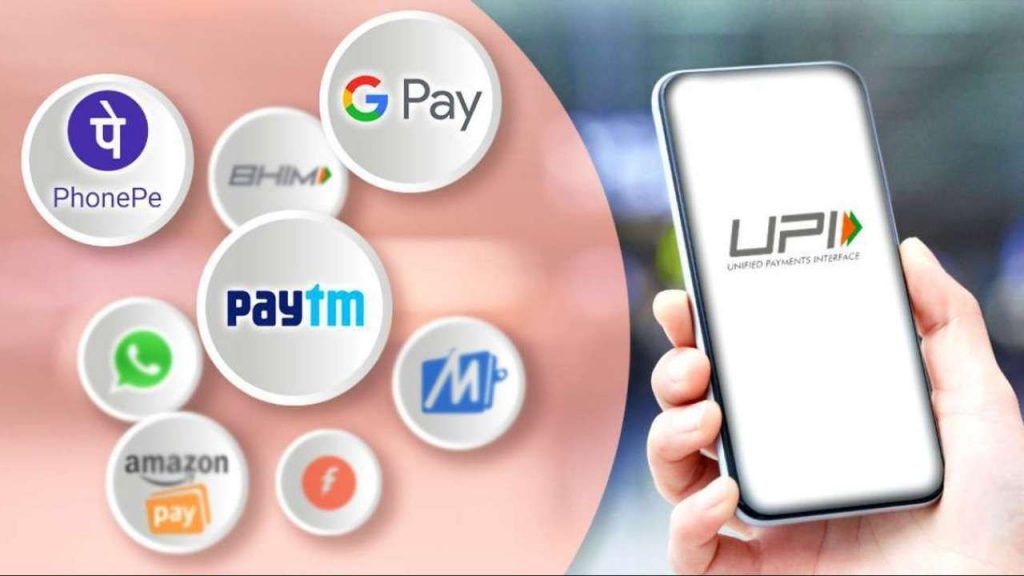
Because of everything we experienced early on, our policy today is very simple: all custom PC builds are processed only on pre-payment.
We support UPI, bank transfers,cards and even EMI. This ensures the order is genuine, components are allocated confidently, vendors are paid without uncertainty, and custom inventory never turns into stranded hardware.
This approach isn’t about pressure or policies for the sake of control. It’s about keeping the entire build process stable, fair, and predictable for everyone involved.
Bottom Line
Cash on delivery and custom PCs simply don’t belong in the same operational model.
Pre-payment is not a sales tactic. It’s the only way custom system building remains stable, safe, and sustainable, for both the customer and the builder.
At TheMVP, every system is built with care, testing, and accountability. That level of responsibility requires commitment from both sides right from the start.